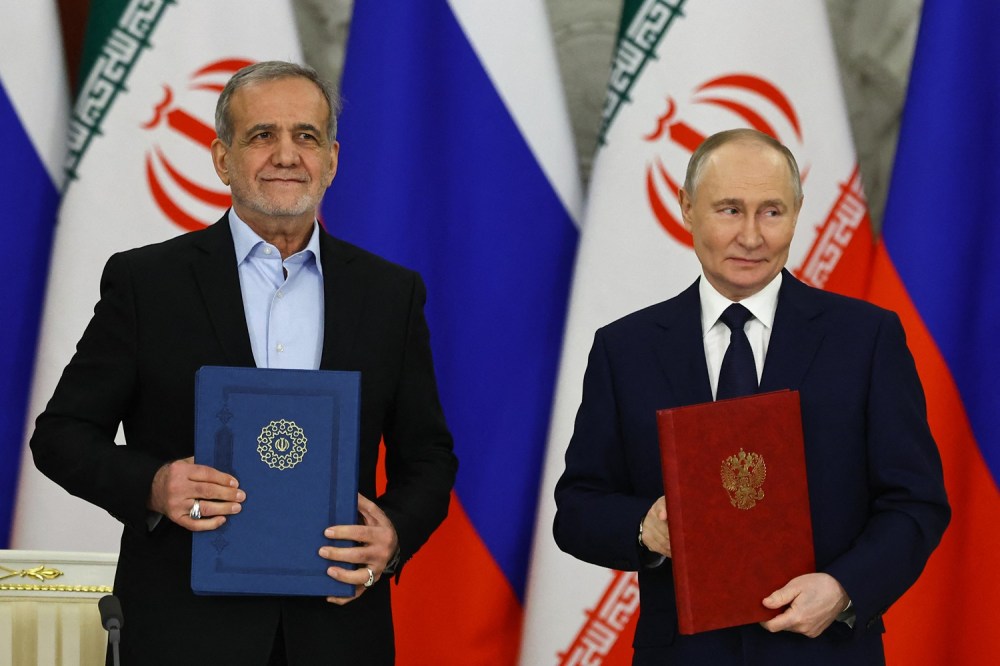
The Evolving Landscape of Moscow & Tehran's Alignment Against Western Hegemony
In the complex tapestry of 21st-century geopolitics, the relationship between Russia and Iran has emerged as a formidable counterweight to Western influence, particularly in the Middle East. Often characterized by the strategic convergence of interests rather than a traditional alliance, this deepening bond, frequently referred to as moskau teheran freundschaft (Moscow-Tehran friendship), is reshaping regional dynamics and challenging established power structures. This article delves into the foundations of this partnership, its multifaceted manifestations, and the far-reaching implications for global stability.
Shared Grievances and Strategic Imperatives Fueling Cooperation
The roots of the burgeoning moskau teheran freundschaft are deeply embedded in shared grievances and mutual strategic imperatives. Both nations view Western, particularly U.S., dominance with skepticism and often perceive it as an infringement on their sovereign interests. For Russia, a key objective is to reassert its global power and diminish the unipolar world order that emerged after the Cold War. For Iran, the enduring pressure of sanctions and the existential threat perception from the U.S. and its regional allies (such as Israel, Saudi Arabia, and the UAE) necessitate strong strategic partners. This convergence of interests forms the bedrock of their evolving relationship.
- Countering Sanctions: Both countries have faced extensive Western sanctions regimes, fostering a shared drive towards economic self-reliance and the creation of alternative financial mechanisms that bypass the dollar-dominated global system. This joint experience creates a strong incentive for collaboration in trade, banking, and energy sectors.
- Regional Influence: Russia actively seeks to expand its influence beyond its immediate periphery, particularly in the Middle East, a region where Iran holds significant sway through its extensive network of proxies and political alliances. Their cooperation allows both to project power and shape outcomes in crucial flashpoints.
- Security Concerns: Both nations share concerns about extremism, regional instability, and regime change agendas, albeit with differing tactical approaches. Their cooperation often aims at stabilizing regimes friendly to them or undermining those perceived as pro-Western, thereby enhancing their own security postures.
The tactical nature of their cooperation is particularly evident in arenas such as the Syrian conflict, where Russian airpower and Iranian-backed ground forces played a decisive role in propping up the Assad regime. This joint operation demonstrated the practical effectiveness of their alignment, showcasing how moskau teheran freundschaft can translate into tangible geopolitical outcomes. It also provided a real-world testing ground for their military and strategic coordination against a common set of adversaries.
Military and Security Cooperation: A Cornerstone of the Partnership
Perhaps the most visible and impactful aspect of the moskau teheran freundschaft lies in their robust military and security cooperation. This collaboration is not merely transactional; it reflects a deeper strategic understanding aimed at bolstering their respective defense capabilities and projecting power. As highlighted by some international analyses, Iran's military, a powerful force operating in its home territory and across the region, receives significant, often "unconcealed support" from powers like Russia and China, framing them as key rivals to Western influence. This strategic backing complicates any external attempts at military intervention and significantly raises the stakes for any Western engagement in the region.
For more detailed insights into this aspect, consider reading Russia's Military Support to Iran: Geopolitical Implications.
Deepening Military Ties and Technology Transfer
- Arms Sales and Transfers: Russia has historically been a significant arms supplier to Iran, providing advanced air defense systems like the S-300 and potentially S-400, fighter jets, and other military hardware. These sophisticated systems significantly enhance Iran's defensive capabilities, making its airspace and strategic assets more secure, and complicating any potential military intervention by adversaries. The transfer of such technology is a clear indicator of the trust and strategic value embedded in their relationship.
- Joint Exercises and Intelligence Sharing: While not always publicly broadcasted, there are increasing indications of joint military exercises and extensive intelligence sharing between Moscow and Tehran. This cooperation focuses on regional security threats, counter-terrorism efforts, and monitoring Western military movements in critical areas like the Persian Gulf and the broader Middle East. Such collaboration strengthens their collective security posture and operational synchronicity.
- Drone Technology and Beyond: A more recent and highly publicized development has been Iran's supply of advanced drones to Russia for use in the Ukraine conflict. This demonstrates a significant two-way flow of military support and a deepening of their military-industrial complex cooperation. It highlights Iran's indigenous capabilities and its willingness to provide critical assets to Russia, further solidifying the strategic importance and practical utility of their partnership. This exchange is a testament to the evolving nature of their defense collaboration.
This military synergy allows both nations to project power and deter adversaries, particularly in contested regions like the Strait of Hormuz, a vital global oil transit choke point. Here, tensions between the U.S./UK and Iran frequently escalate. The presence of formidable Iranian military capabilities, buttressed by sophisticated Russian support, introduces a significant deterrent against any "nice little war" sought by certain Western factions, as some analysts have suggested. This awareness of immense risks involved has often prevented further escalation, making the moskau teheran freundschaft a critical factor in regional de-escalation, paradoxical as it may seem.
Economic Alignment: Building Resilience Against Sanctions
Beyond military collaboration, the moskau teheran freundschaft extends robustly into the economic sphere. This alignment is driven largely by a shared necessity to circumvent Western sanctions and build alternative trade routes and financial mechanisms. Both Russia and Iran are major energy producers, and their cooperation often involves strategies to stabilize global oil markets, bypass Western financial systems, and develop new, resilient trade corridors.
Developing Sanction-Proof Economic Mechanisms
- Energy Cooperation and Swaps: Discussions around oil and gas swap deals, joint energy projects, and coordination within organizations like OPEC+ (where Russia is a key player and Iran's market dynamics are influential) are central to their economic dialogue. These efforts aim to minimize the impact of Western energy sanctions and ensure continued revenue streams for both nations.
- North-South Transport Corridor (INSTC): This ambitious multimodal network aims to connect India, Iran, Azerbaijan, Russia, Central Asia, and ultimately Europe. By significantly reducing transit times and costs, the INSTC represents a vital economic artery that could circumvent traditional Western-controlled shipping lanes and bolster trade despite sanctions. For both Russia and Iran, it offers a strategic alternative for global commerce.
- Banking and Financial Systems: Concerted efforts are underway to de-dollarize bilateral and regional trade, promote direct bilateral currency exchange, and develop independent financial messaging systems to reduce reliance on SWIFT and other Western-controlled platforms. These initiatives are crucial for protecting their economies from financial weaponization and fostering greater economic sovereignty.
These multifaceted economic initiatives are not merely about short-term survival; they represent a long-term strategy to establish a multipolar economic order, lessening the West's ability to exert financial leverage. The ongoing discussions about Iran joining the BRICS+ group, where Russia is a prominent member, further underscore the depth of this economic ambition, aiming to create a significant economic bloc independent of Western influence.
Geopolitical Implications and Regional Power Plays
The strengthening of moskau teheran freundschaft has profound geopolitical implications, particularly for the Middle East, Central Asia, and even global power dynamics. Their alignment directly impacts regional conflicts, reshapes security alliances, and fundamentally challenges the existing global balance of power.
Reshaping the Middle East Landscape
The collaboration between Russia and Iran is a key factor in the Middle East, actively challenging the traditional U.S.-led security architecture. While the U.S. aims to strategically counter China in the Asia-Pacific region, any significant military engagement in the Persian Gulf against Iran could undermine this broader strategic goal. This creates a complex geopolitical chessboard where Russia and Iran leverage their alignment to push back against perceived Western encroachment and consolidate their own spheres of influence.
- Syria and Lebanon: Continued military and political support for the Assad regime in Syria, alongside robust influence over groups like Hezbollah in Lebanon, serves to maintain a powerful pro-Iran/Russia axis in the Levant. This directly opposes Western, Israeli, and Saudi interests, creating a persistent challenge to regional stability.
- Iraq: Both nations hold significant sway in Iraq, influencing political outcomes, security arrangements, and energy deals. This strategic presence further complicates Western efforts to stabilize the country and foster pro-Western governance.
- Yemen: While Russia's direct military involvement is less pronounced than Iran's, the broader context of challenging Saudi Arabia and U.S. influence in the Arabian Peninsula aligns closely with Russian strategic goals of diminishing American hegemony.
Understanding the nuances of this partnership is crucial for policymakers and international observers. It is not a monolithic alliance but a strategic convergence of interests, where both parties retain their individual national goals while cooperating effectively to achieve shared objectives against a common perceived adversary: Western hegemony. This tactical flexibility makes their partnership particularly resilient and adaptable.
Practical Tip: Businesses operating in or near these regions should closely monitor the evolving geopolitical landscape, as shifts in alliances, trade routes, and regional power dynamics can significantly impact supply chains, market access, and operational security. Diversifying partnerships and understanding local political currents is more critical than ever to mitigate risks and identify new opportunities.
Conclusion: A Durable, Strategic Alliance in a Multipolar World
The relationship between Russia and Iran, underpinned by the growing moskau teheran freundschaft, represents a durable strategic alliance driven by shared geopolitical objectives and a mutual desire to challenge Western dominance. From robust military cooperation and the development of economic resilience against sanctions to coordinated regional power projection, their partnership is a significant force shaping the emerging multipolar world order. While ideological differences and distinct national interests will always create potential points of divergence, the strategic imperative to counter perceived Western aggression ensures that this bond will likely continue to strengthen. This evolving dynamic demands careful observation and nuanced understanding from the international community, as its implications resonate far beyond the immediate region, influencing global security, trade, and diplomatic relations for years to come.