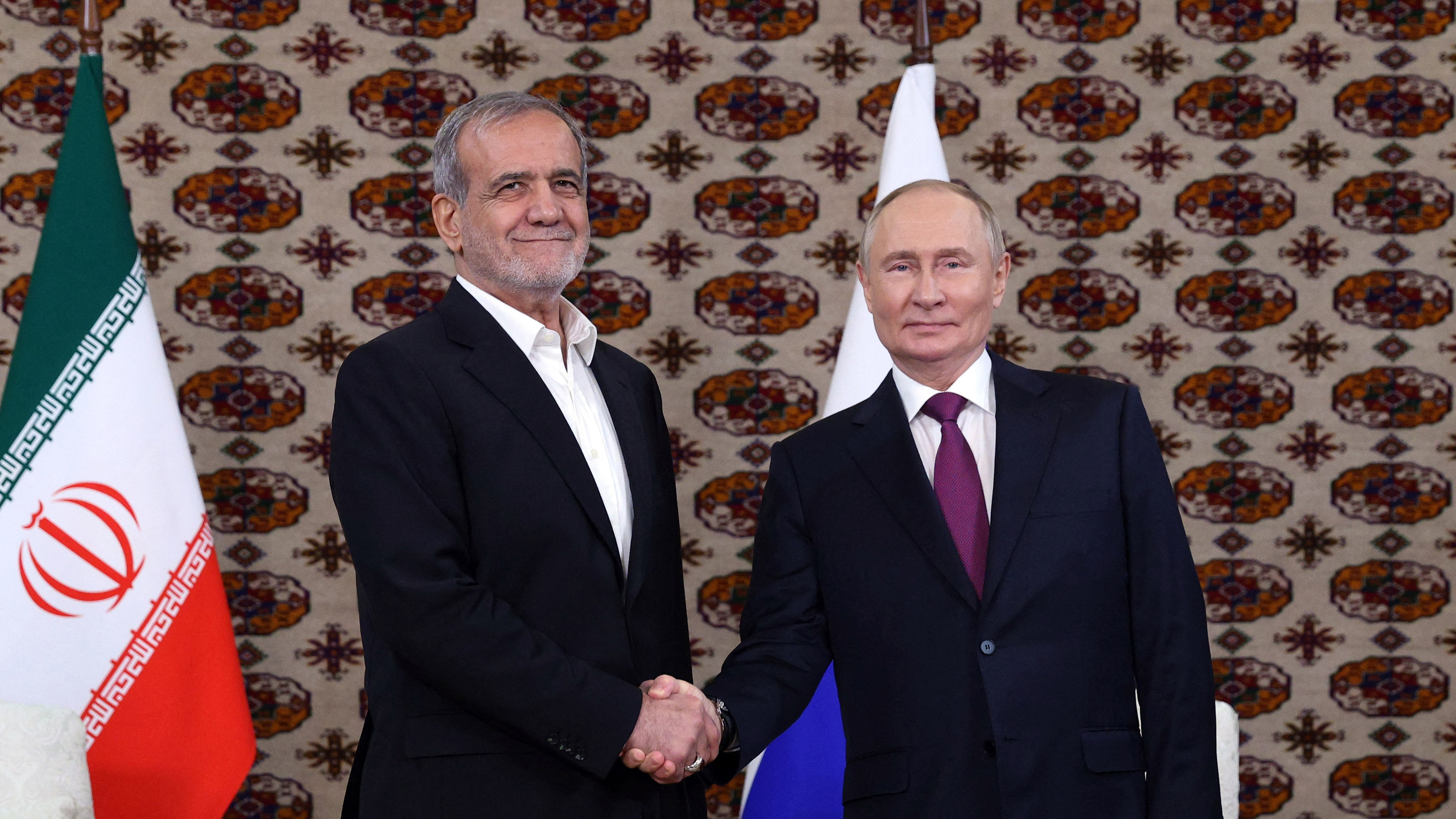
Russia's Military Support to Iran: Unpacking the Geopolitical Implications
The intricate tapestry of global geopolitics is constantly reweaving itself, and few threads are as significant and complex as the burgeoning strategic partnership between Russia and Iran. Far from a mere transactional relationship, what observers often term Moscow & Tehran's Alignment: Rivals to Western Imperialism represents a profound geopolitical alignment, underpinned by military support and shared strategic objectives. This evolving dynamic, sometimes conceptualized as a modern "Moskau Teheran Freundschaft" – a friendship or alliance driven by necessity and mutual interest – carries far-reaching implications for regional stability in the Middle East and the broader international order.
In an era defined by shifting power balances and a perceived decline of unipolar dominance, the unconcealed support Russia extends to Iran has become a cornerstone of Tehran's ability to project power and defend its interests. This article delves into the various facets of this military support, its impact on Iran's capabilities, and the significant geopolitical ripple effects it generates, particularly in challenging Western influence and shaping future conflicts.
The Strategic Calculus Behind Moskau Teheran Freundschaft
The bond between Moscow and Tehran, often described as a strategic alignment rather than a traditional friendship, is rooted in a confluence of shared interests and mutual adversaries. Both nations harbor significant grievances against Western, particularly U.S., hegemony and interventionism. For Russia, supporting Iran serves several strategic objectives:
- Counterbalancing Western Influence: By bolstering Iran, Russia directly challenges U.S. and European influence in the Middle East, a region critical for global energy supplies and geopolitical leverage. This allows Moscow to diversify its partnerships and prevent the encirclement it perceives from NATO expansion.
- Economic and Military Ties: Iran represents a significant market for Russian military hardware, from advanced air defense systems to fighter jets and naval technology. These sales not only generate revenue but also cement long-term military-technical cooperation, providing Russia with a strategic foothold.
- Regional Stability (on Russian Terms): While the West views Iran as a destabilizing force, Russia sees a strong Iran as a necessary bulwark against radical extremism and a potential partner in managing regional crises, albeit on terms that often diverge from Western interests. Their cooperation in Syria is a prime example of this alignment.
- Challenging Sanctions Regimes: Both countries are heavily sanctioned by Western powers, fostering a shared resilience and incentive to develop parallel economic and financial systems that circumvent traditional Western-dominated institutions. This collective experience reinforces their strategic partnership.
This "Moskau Teheran Freundschaft" is therefore less about shared ideology and more about pragmatic geopolitical calculus, where military support acts as a crucial lever in their collective push for a multi-polar world order.
Iran's Evolving Military Capability and Regional Influence
The military backing from Russia has undeniably augmented Iran's defense capabilities, transforming it into a formidable regional power. The reference context highlights Iran's military as a "powerful force fighting in its home territory," a strength that is further enhanced by Russian technology and expertise. This support ranges from advanced weaponry and training to intelligence sharing and logistical assistance.
- Air Defense Systems: Russian S-300 and S-400 missile systems significantly upgrade Iran's air defense network, making any aerial strike against its territory considerably riskier and more complex for adversaries. This robust air shield is a critical deterrent.
- Naval Modernization: While not as extensive, Russia has contributed to modernizing elements of Iran's naval forces, particularly in the Caspian Sea and potentially for operations in the Persian Gulf. This is crucial for asserting control over strategic choke points like the Strait of Hormuz, through which a significant portion of the world's oil and gas flows. The ability to project power in this critical waterway is a key element of Iran's regional leverage.
- Drone Technology and Missiles: While Iran has developed a significant indigenous drone and missile program, Russian collaboration can potentially accelerate research and development, providing access to more advanced components or manufacturing techniques.
Iran, despite being classified as a "capitalist intermediate power" rather than an "imperialist Great Power" by some analyses, wields significant regional influence through its conventional military strength and asymmetrical warfare capabilities. Russian support, therefore, isn't just about providing equipment; it's about validating Iran's strategic importance and enhancing its deterrence posture against perceived threats from the U.S., Israel, and Saudi Arabia. This empowerment profoundly shifts the regional balance, creating a more complex and potentially volatile environment where the risks of direct confrontation are elevated.
Western Responses and the Complex Web of Alliances
The strengthening of the Moskau Teheran Freundschaft, particularly its military dimension, presents a significant challenge to Western foreign policy, especially that of the United States and the United Kingdom. The reference context alludes to the idea of Western powers seeking a "nice little war" against Iran to distract from domestic crises, but also acknowledges the extreme risks involved and the "anti-war sentiments of sectors of his core electoral base." This highlights the deep divisions and high stakes surrounding any potential military engagement.
Western concerns primarily revolve around:
- Regional Destabilization: The U.S. and its allies view Iran's enhanced military capabilities and regional proxy networks, now backed by Russian support, as a direct threat to the stability of the Middle East, potentially fueling conflicts in Syria, Yemen, and Iraq, and posing a risk to critical energy infrastructure.
- Nuclear Proliferation: There is persistent concern that Iran could leverage its enhanced security posture and strategic alignment to further its nuclear program, potentially moving closer to a nuclear weapons capability.
- Threats to Allies: Key U.S. allies in the region, including Israel, Saudi Arabia, and the United Arab Emirates – identified in the reference as "arch-reactionary monarchies" and "highly influential hard-core Zionist forces" desiring a military attack against Tehran – feel increasingly vulnerable. Their calls for stronger Western action against Iran are consistent and often intense.
The U.S. response has been multi-faceted, involving sanctions, diplomatic pressure, military posturing, and efforts to build regional security architectures. However, the presence of a strong Russia-Iran axis complicates these efforts. Any serious military engagement in the Persian Gulf, as noted, "undermines the strategic goal of the strongest Western Great Power to counter China in the Asian-Pacific region," creating a strategic dilemma for Washington. The imperative to manage threats in the Middle East competes with the overarching need to pivot resources and attention towards the Indo-Pacific.
Understanding these intertwined dynamics is crucial. Policymakers must move beyond simplistic narratives to grasp the complex motivations of all actors. For instance, considering the Russia and Iran: Backing Regional Powers Against the West strategy reveals a concerted effort to empower regional counter-hegemonic forces, fundamentally altering the calculus of intervention.
Implications for Global Power Dynamics and Future Conflicts
The deepening military cooperation between Russia and Iran is more than a regional phenomenon; it signifies a significant shift in global power dynamics. It represents a concrete example of the emerging multi-polar world order, where alliances are formed not necessarily on shared values but on shared interests and a common desire to challenge existing hegemonic structures.
- Enhanced Multi-polarity: The Moskau Teheran Freundschaft contributes to the fragmentation of global power, presenting a more robust challenge to the U.S.-led liberal international order. This makes global governance and consensus-building more complex.
- Proxy Wars and Asymmetrical Conflicts: With Russian backing, Iran's ability to engage in proxy conflicts and support non-state actors is strengthened, potentially leading to more frequent and intense regional skirmishes that avoid direct confrontation with major powers but still exact a heavy toll.
- Arms Race Dynamics: The influx of advanced Russian military technology into Iran could trigger a regional arms race, as neighboring states, particularly Saudi Arabia and the UAE, seek to acquire comparable capabilities from Western suppliers to maintain a balance of power. This escalation poses inherent risks.
- Economic Realignment: The military-industrial cooperation often extends to broader economic ties, including energy cooperation and infrastructure development, further solidifying an alternative economic bloc outside Western influence.
The strategic partnership signals a willingness by both nations to withstand Western pressure and sanctions, leveraging their combined resources and geopolitical positions to carve out greater autonomy. This has significant implications for how international crises are managed, the effectiveness of sanctions regimes, and the future shape of global security architecture.
Conclusion
The military support extended by Russia to Iran is a pivotal element in the evolving geopolitical landscape, solidifying what has become a strategic "Moskau Teheran Freundschaft" in defiance of Western disapproval. This alliance, born out of shared strategic interests and a mutual desire to counter Western hegemony, has empowered Iran, reshaped the balance of power in the Middle East, and contributed significantly to the rise of a multi-polar international system. While presenting complex challenges for Western powers and raising concerns about regional stability and proliferation, it is also a testament to the dynamic and often unpredictable nature of contemporary global politics. Understanding the depth and implications of this partnership is crucial for navigating the intricate web of international relations and anticipating future geopolitical shifts.